


by the numbers
01.
Only 57% of adults ages 18–34 know that neurodivergent people can be successful, compared to 75% of adults ages 45+.1
02.
Half of adults with learning and thinking differences say that their neurodivergence impacts their holiday season financially with budgeting (52%) and socially with attending and participating in holiday events (52%).2
03.
In a systematic review of neurodivergent students’ experiences in higher education, anxiety accompanied personal, social and academic aspects of their studies.3
1. Understood.org/ Harris Poll study, (2022). Neurodiversity and social media.
2. Understood.org/ Harris Poll survey, (Oct 2024). Neurodiversity and the holidays.
3. Clouder et al., (2020). Neurodiversity in higher education: A narrative synthesis.
01.
69% of neurodivergent adults know that employers are required to provide accommodations to employees with disabilities, yet 6 in 10 (60%) feel there is a stigma around asking for support.4
02.
59% worry that disclosing their diagnosis would have a negative impact on their career.5
03.
Among all respondents who requested an accommodation, nearly 1 in 4 (23%) said they lost their job or were demoted after asking.6
4, 5, 6 : Understood.org/ Harris Poll survey (U.S., Apr 2024) : Neurodiversity at work.
01.
Only 28% of neurodivergent adults say they have enough social support from friends, family, or peers.
02.
82% report that sensory issues (e.g., overwhelming noise or lighting) cause them to withdraw from social situations.
03.
Those who feel lonely experience 2x the rate of depression and anxiety compared to less lonely individuals.
This is your heading text.
Latest News & Articles:

The Dopamine Hungry Brain: How Hyperfixation Affects The ADHD Brain
Hyperfixation on tasks or hobbies is a common experience. But hyperfixations affect people with ADHD more significantly due to dopamine dysregulation and reward system irregularities. Even with the possible negative drawbacks that come with hyperfixating, the experience brings knowledge and skills to one’s life.
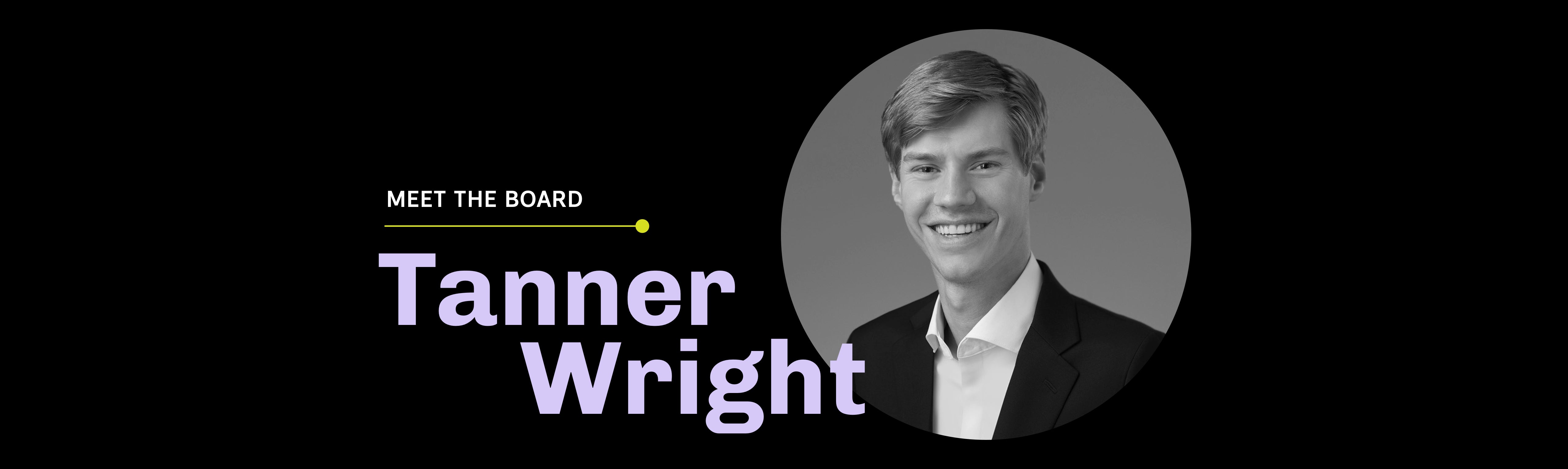
Reflections on Growth and Community: Tanner Wright
Board member Tanner reflects on the experiences that shaped him, sharing insights on resilience, leadership, and supporting a thriving community.
For Neurodivergent People:
For Everyone:
